Back to Redwood Stacks

Case study · Mind.Body.Simplified

From a 2–3-week assembly to a single day.

Kishita Agarwal runs Mind.Body.Simplified, a nutrition education business that brings hands-on assemblies to California elementary schools. Each assembly is a full production: evidence-based research, a slide-by-slide script, a deck in her brand, a printable take-home worksheet — and a live, interactive game designed for that topic alone. She is a nutritionist and food scientist, not a developer. The content bar is hers and it is high: credible sources only, real pedagogy, nothing superficial.

2–3 weeks

per assembly before — roughly 50–70 hours, her reported baseline

< 1 day

per assembly now, end to end — in her own words

60 slides

and two handouts produced across the first two topics — counted

The story, in 85 seconds

The 2–3-week assembly

Before the engine, one topic took her weeks. In her words:

“Creating a single educational presentation was an incredibly time-intensive process. Every topic took me 2–3 weeks (roughly 50–70 hours) from start to finish.”

Her workflow, as she describes it: a Google Doc of key ideas from her own expertise; extensive searching to verify facts and incorporate current research; multiple iterations through an AI chat to make complex concepts age-appropriate; then recreating everything in Canva, designing each slide from scratch — often after several additional hours just narrowing down the topic.

The pattern is one we see in most businesses that already use AI: the tools help, but the process lives in the owner's head — so every piece of work starts nearly from scratch, and quality depends on pushing a generic draft, again and again, toward the standard only the owner can see.

What we built

We built her an assembly engine — not a chatbot, a pipeline that encodes how she works:

  • Research first. Each topic starts with deep research from credible sources — NIH, government health agencies, major medical centers — surfaced with links for her review. She approves the facts before anything is written.
  • A script in her format. The engine writes the way her proven assemblies are built: hook, decode the nutrient, one signature analogy, a measurable unit kids can count, a hands-on interactive unique to the topic, gentle consequences, do-it-tomorrow swaps.
  • A first-draft deck in her brand. A PowerPoint in her fonts, her per-topic color families, her layout rules — with presenter notes on every slide. It imports into Canva as fully editable slides, because Canva is where her craft lives: she curates every image and polishes every deck herself.
  • The take-home. A printable companion worksheet, kid-fillable, on brand.
  • Approval gates throughout. Research → script → deck → handout, and nothing generates downstream until she signs off upstream.

The engine has produced two complete assemblies so far — 60 deck slides and two handouts across two topics — with a ten-topic menu loaded and ready.
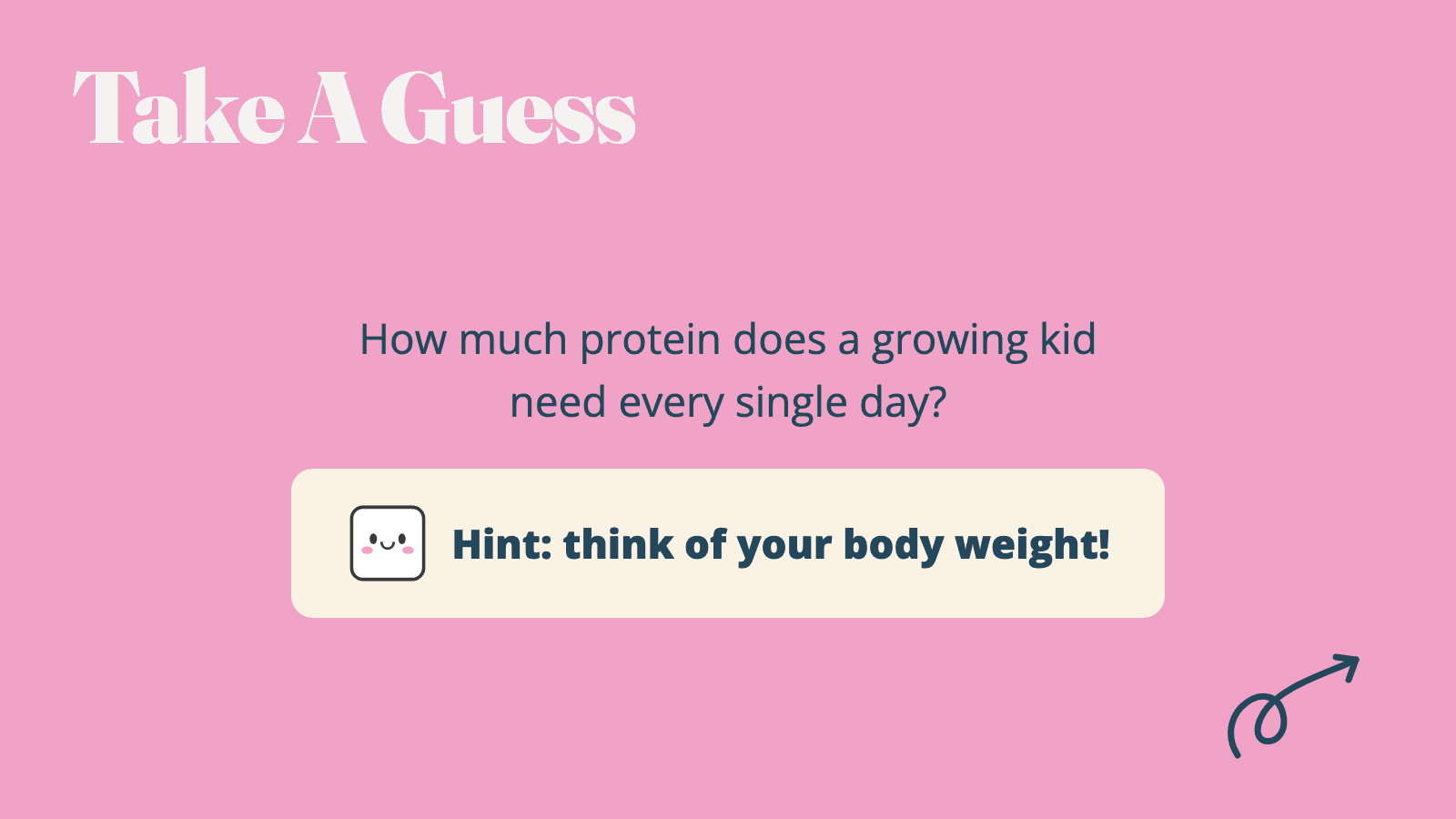
Engine-generated draft slide: a 'Take A Guess' question asking how much protein a growing kid needs each day
Engine output: the opening question slide for a new topic, before her Canva polish.
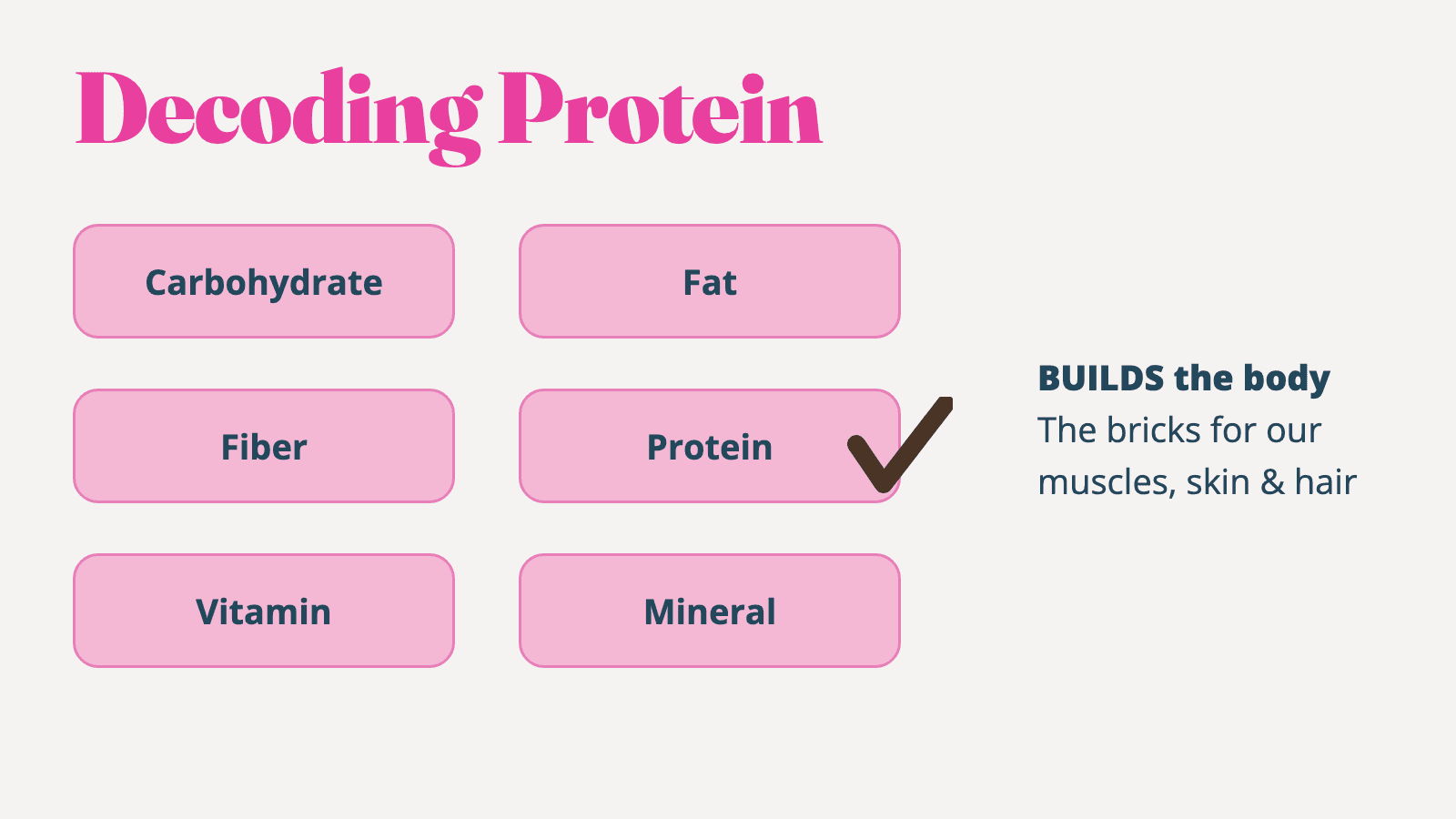
Engine-generated draft slide: 'Decoding Protein', picking protein out of a grid of the six nutrient groups
Engine output: a teaching slide in her color system and layout rules, ready to edit in Canva.

Running it herself

This is the part that matters. The engine wasn't delivered as a service we run for her — it was delivered as her own AI workspace, running on her machine, on the AI subscription she already pays for.

“Downloading and installing the AI OS on my Mac couldn't have been simpler. The instructions were clear and straightforward — it was essentially click to download, click install, and you're done.”

Then she ran it — nobody from Redwood Stacks in the loop:

“I simply typed two words: ‘Powerhouse Proteins.’ That's it. In under five minutes, [the assembly engine created by Redwood Stacks] generated a 38-page presentation script that felt like it truly understood me — my writing style, my goals, and the type of educational content I wanted to create.”
“After reviewing the script, I spent about 10–15 minutes making a few tweaks and refining some details. Then [the engine] generated the presentation slides. From there, all I needed was about an hour to add relevant images, apply my existing branding, fine-tune page transitions, and make a few visual edits. The heavy lifting — the research, organization, scripting, and slide creation — had already been done.”

The end-to-end result, in her words:

“What used to take me several weeks now takes less than a single day, allowing me to spend my time refining ideas and delivering better educational experiences instead of getting buried in repetitive work.”

In her words

“If you're a non-technical small business owner wondering whether an AI Operating System is worth it, my answer is an emphatic yes. We hear all the time that AI can automate repetitive tasks and save time, but seeing it in action is what truly changes your perspective.”
“Using Redwood Stacks has completely changed how I think about my business. Instead of wondering if something can be automated, I'm constantly asking, ‘What can I automate next?’”
Kishita Agarwal
Founder, Mind.Body.Simplified

What this looks like for your business

Every business has its version of the 2–3-week assembly — the work that only the owner can do properly, so it swallows the owner's calendar. The pattern here transfers: encode how the expert works, keep the expert's judgment at every gate, and hand the whole thing over running on their own machine. If you want to find yours, that's what the free 30-minute Discovery Session is for.

Book a free Discovery Session